

The slot machine has come a long way since its humble beginnings in the late nineteenth century. The original mechanical devices, such as the famous Liberty Bell machine invented by Charles Fey, relied on physical reels, a lever to pull, and a small assortment of basic symbols like horseshoes, diamonds, spades, hearts, and bells. For generations, the core appeal of the slot machine rested entirely on the suspense of where those physical reels would stop. The gameplay was straightforward, mechanical, and entirely devoid of narrative or visual depth.
Today, walking onto a casino floor or opening an online casino application reveals a completely different reality. Modern slot machines have evolved from simple gambling devices into high-tech, cinematic masterpieces. This radical transformation was driven primarily by a revolution in visual design, graphics processing, and thematic storytelling. By turning a simple game of chance into an immersive media experience, themes and graphics have completely reshaped player expectations and saved the slot machine from becoming an outdated relic of the past.
The Shift from Mechanical Gears to Digital Video Screens
The evolution of modern slots began with the transition from electro-mechanical parts to digital video screens. In the late twentieth century, the introduction of video slot machines fundamentally broke the physical limitations of the traditional box. On a mechanical machine, a developer could only fit a limited number of physical symbols on a reel, which structurally capped the number of potential combinations and themes.
The introduction of computer screens changed everything. Microprocessors allowed reels to become completely virtual, removing any structural limitations on size, reel count, or symbol variety. Designers were suddenly handed a blank digital canvas. They were no longer confined to fruit symbols, bars, and sevens. Visual landscapes could be painted directly onto the screens, allowing developers to experiment with custom animations, shifting background environments, and intricate, dynamic interfaces that responded organically to a player’s wins and losses.
The Power of Storytelling Through Themes
One of the greatest shifts in modern slot design is the implementation of narrative themes. Early slot players were motivated almost exclusively by the mathematical prospect of winning money. While payout potential remains a massive driver of engagement, modern players also seek entertainment value, engagement, and emotional stimulation.
Themes provide a conceptual framework that makes a game immediately relatable. Instead of just pulling a lever for a random outcome, players can embark on a virtual journey. Thematic exploration allows developers to tap into pre-existing human interests, cultural trends, and emotional triggers. Some of the most common and enduring themes include:
- Ancient Civilizations: Games centered around Egyptian pharaohs, Roman gladiators, or Mayan temples allow players to feel like archaeologists exploring hidden tombs or discovering long-lost treasures.
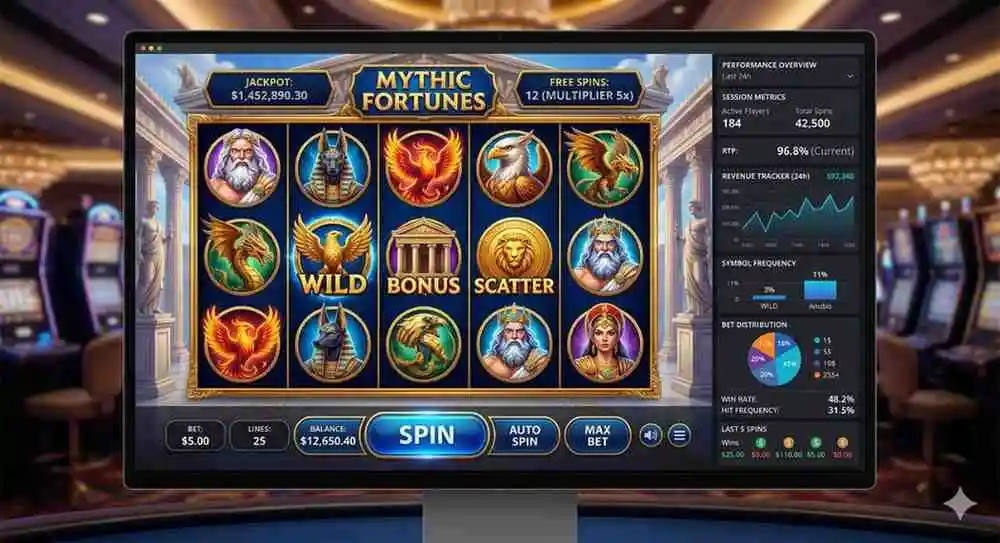
- Mythology and Fantasy: Norse gods like Thor and Odin, Greek legends, dragons, and enchanted forests provide an escape into worlds of magic and epic conflict.
- Adventure and Exploration: High-seas pirate voyages, deep-space exploration, and jungle treks frame the act of spinning the reels as an active expedition.
- Pop Culture Branding: Licensed properties based on blockbuster movies, hit television series, famous rock bands, and comic book heroes allow players to interact with characters and music they already love.
By embedding a game within a recognizable world, developers build an immediate bridge of familiarity. The game stops feeling like an isolated math equation and starts feeling like an interactive piece of media.
Advanced Graphics as an Engagement Engine
As computing technology advanced, the quality of graphics in slot machines grew exponentially. The industry moved swiftly from flat, pixelated two-dimensional sprites to complex, three-dimensional models, high-definition cinematics, and fluid particle effects.
High-end graphics serve a dual purpose in modern slot design. First, they catch the eye. In a crowded casino floor or a packed online gaming lobby, a game has only a few seconds to capture a player’s attention. Vibrant colors, smooth animations, and cinematic intro videos act as visual bait.
Second, advanced graphics enhance the psychological reward loop of the game. When a player hits a winning combination, modern slots do not just display a text alert or flash a simple light. Characters jump across the screen, coins erupt in three-dimensional animations, and thematic short films play directly within the game interface. This visual celebration makes even small wins feel monumental, amplifying the user’s excitement and prolonging their gaming session through constant visual stimulation.
The Integration of Second-Screen Bonus Rounds
The marriage of themes and graphics paved the way for one of the most revolutionary innovations in slot history: the second-screen bonus round. Historically, a slot machine payout occurred directly on the main reels. If the symbols lined up, you won.
Advanced graphic software allowed developers to break away from the main reel grid entirely during special gameplay moments. Triggering a bonus round transports the player to a completely different visual environment. For example, in a pirate-themed slot, the main reels might disappear, replaced by an interactive map where the player chooses which islands to plunder for hidden multipliers.
These bonus rounds often utilize elements from traditional video games, giving players a sense of agency and control. The visual shift breaks the monotony of standard spinning, giving the player something distinct to look forward to and creating a much deeper level of multi-layered entertainment.
Audio-Visual Synchronization and Sensory Harmony
A visual revolution cannot succeed in a vacuum; it requires perfect alignment with auditory design to create true sensory harmony. Early slot machines relied on generic mechanical bells, chimes, and electronic beeps that could quickly become irritating or monotonous over long periods of time.
Modern slots feature fully orchestrated soundtracks, professional voice acting, and directional sound effects that are perfectly synchronized with the on-screen graphics. If a futuristic sci-fi slot features a laser blast animation on the reels, the audio system delivers a crisp, synchronized sound effect that pans across the speakers. Licensed pop culture slots often feature the actual voices of actors or the hit songs of music groups, turning a slot machine session into a mini-concert or interactive movie screening. This meticulous blend of high-end sight and sound creates a deeply immersive atmosphere that isolates the player from outside distractions.
Moving Toward the Future of Slot Visuals
The evolution of themes and graphics shows absolutely no signs of slowing down. As hardware continues to shrink in price and grow in raw computing power, developers are pushing into even more advanced visual territories.
We are currently witnessing the integration of augmented reality and virtual reality concepts into slot environments, along with ultra-high-definition screens that wrap around the player’s field of vision on physical casino floors. The goal remains identical to what it was when the first video screen was introduced decades ago: to blur the line between a gambling device and an interactive entertainment experience. By continually elevating the artistic and technical standards of visual presentation, themes and graphics have successfully redefined the slot machine as a flagship of modern digital entertainment.
Frequently Asked Questions
Why did fruit symbols become the standard standard for early slot machines?
In the early twentieth century, laws banning cash payouts on slot machines were strictly enforced across many states. To circumvent these legal restrictions, manufacturers replaced traditional playing card suits with fruit symbols representing different flavors of chewing gum. If a player lined up three cherry symbols, the machine would dispense cherry-flavored gum. The bar symbol, which is still popular today, originally represented the logo of the Bell-Gum Company.
How do game developers legally use popular movies and television shows for slot themes?
Developers secure these themes through licensing agreements with major Hollywood studios and media conglomerates. The slot developer pays substantial intellectual property fees and royalties to the studio in exchange for the legal rights to use character likenesses, video clips, official soundtracks, and branding elements. These partnerships are mutually beneficial, providing studios with passive revenue while giving slot platforms an immediate marketing advantage.
Do advanced graphics and themes alter the underlying payout math of a slot machine?
No, the visual presentation is completely independent of the math engine. The internal mathematics of a slot machine are governed entirely by a certified software component called a Random Number Generator. The themes, animations, and graphics are merely a visual overlay that interprets and displays the numerical outcomes generated by the software. A highly cinematic slot and a completely plain slot can share the exact same mathematical return-to-player percentage.
What is a volatility rating in a themed slot machine?
Volatility, sometimes called variance, refers to the risk level associated with a specific slot game. A low-volatility slot rewards players with frequent, smaller visual wins and bonus triggers, which keeps the gameplay active and visually engaging for casual players. A high-volatility slot offers much larger maximum payouts but features long dry spells where wins and bonus animations rarely occur, appealing more to high-risk players.
How do online slot graphics adapt to run smoothly on older mobile devices?
Modern online slots are built using responsive design languages like HTML5. This software architecture allows the game to automatically detect the processing capabilities, screen resolution, and internet speed of the host device. If a player is using an older smartphone, the game automatically scales down background animations, lowers particle effect counts, and optimizes asset loading times to maintain a smooth frame rate without altering the core gameplay.
Why are ancient Egyptian themes disproportionately popular among slot designers?
Ancient Egyptian imagery is uniquely suited for slot design because the historical culture is naturally associated with gold, buried treasure, royalty, and hidden wealth. Symbols like scarabs, pharaohs, and golden sarcophagi provide an intuitive visual shorthand for big wins. Furthermore, the public domain status of historical assets means developers do not have to pay licensing fees to use these concepts, making them highly cost-effective to produce.